Association for Education and Health in Central America
(2025 Update) We transformed our wheelchair program from years past into a more general medical support program this year. While continuing to support ambulatory aids our program is working to team with existing clinics to assist persons who can't afford medical tests, lab work, and short-term treatments. This is as you might imagine an enormous need in such a poor place, but our strategy is to develop a working program with a positive track record of the next several years and begin looking for outside funding sources.
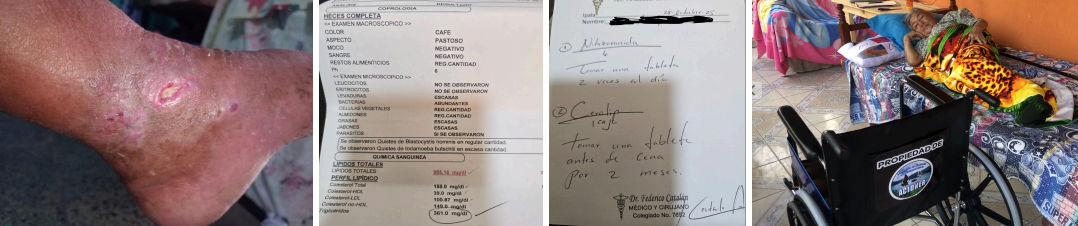
Our coworkers in Ipala are working to coordinate our food and medical assistance work to get better outcomes while spending little or no additional funds. For example, they contacted the nutritionist at the Ipala Public Health Clinic to advise them on what foods to include in our seniors food program. They are also working to provide screenings and healthy living coaching at the same time food is distributed. I expect to have good news to share on this in the coming months and years.
Wheelchairs for the disabled AND their families too!
How does the “H” in AEHCA play out? What can a small group like ours really do to improve the health situation in Guatemala? One of the ways we found over the last year is aiding disadvantaged people to get health support that they can’t otherwise afford. We funded a proposal by ACIDHER (the Non-Government-Organization in Ipala that does the majority of our work in Ipala) to set up a program to loan wheelchairs to families that needed them. The loan is for the duration of the need, at which time the wheelchair is returned to ACIDHER and made available to other persons. Our partners are also responsible for the upkeep and repair of the chairs.
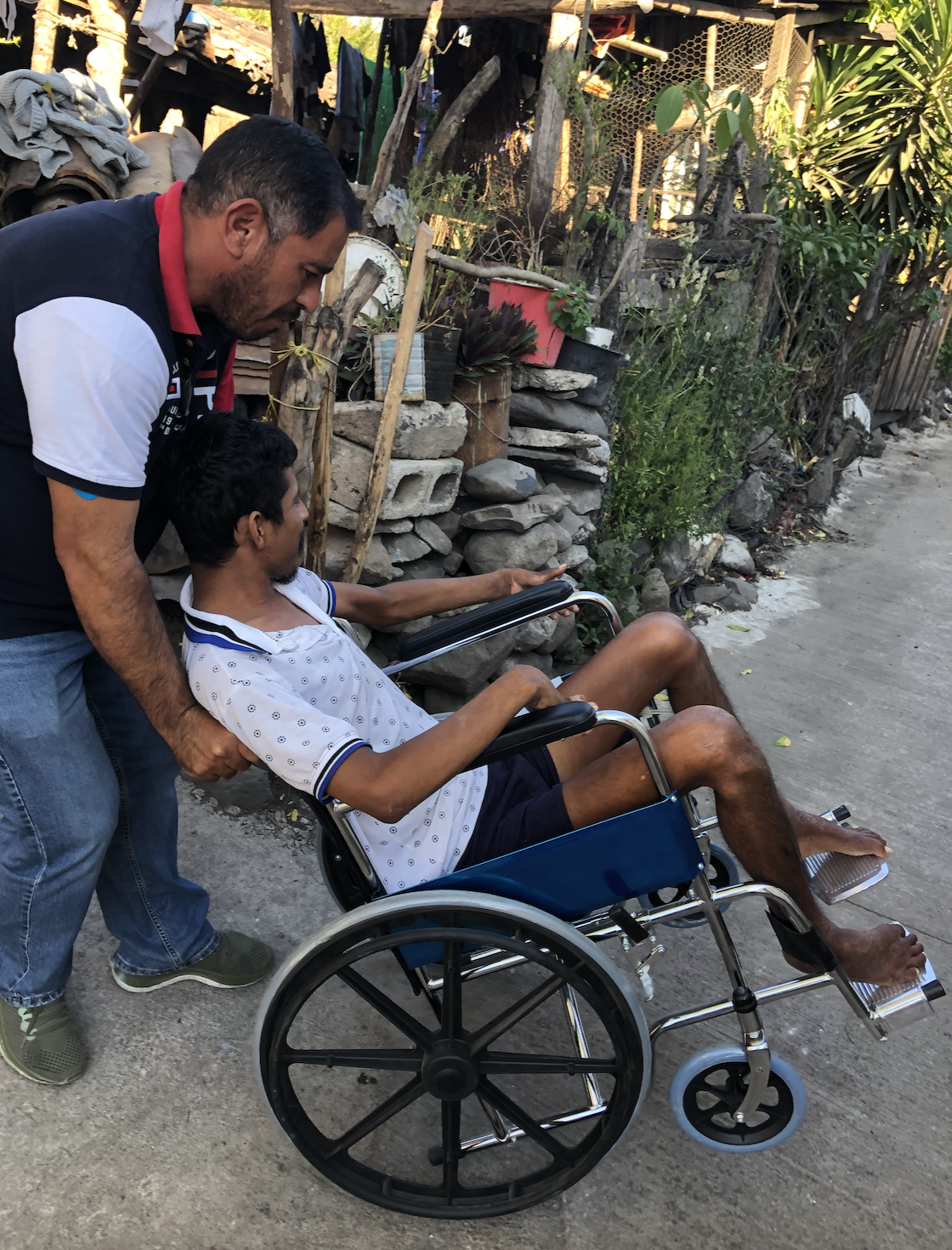
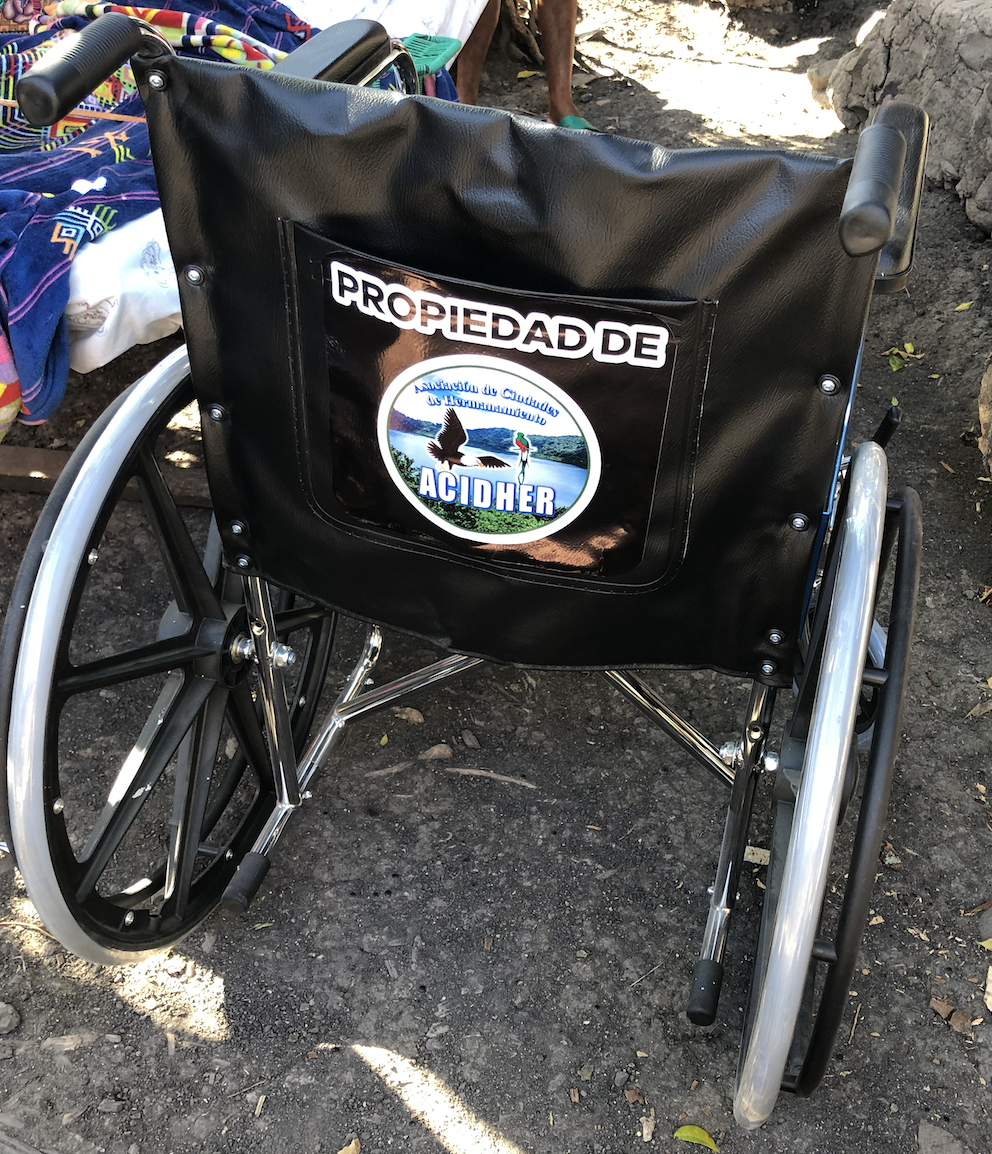
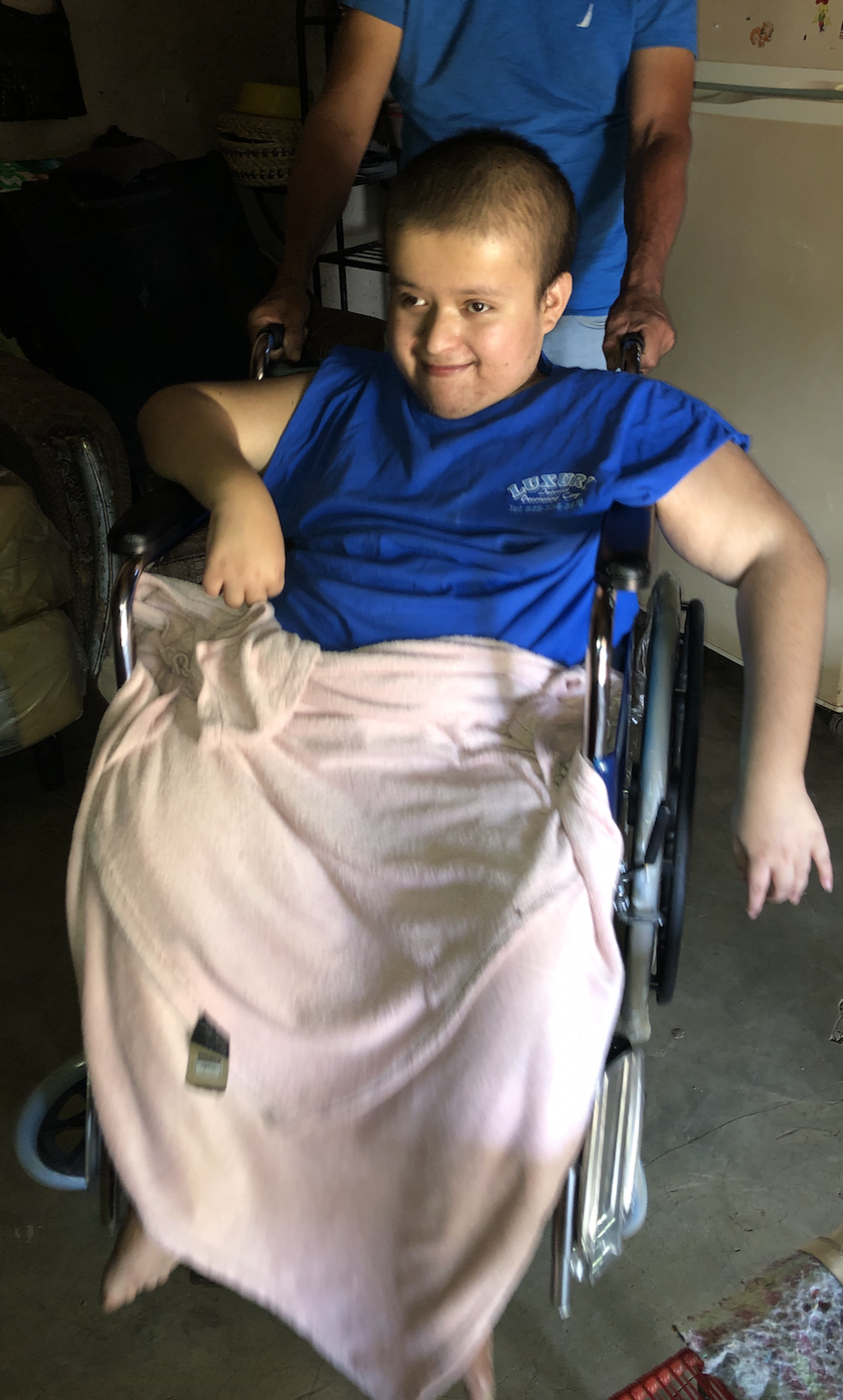
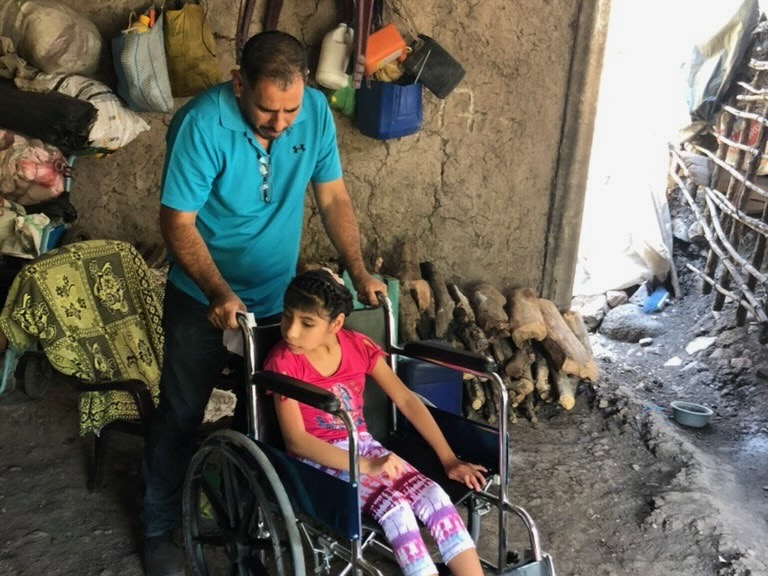
ACIDHER’s President at the time, Lusvin Javier Javier (the man pushing in the photos) commented to us: “When the idea for the Wheelchair program came up we were really only thinking about the child or adult with disabilities, but as we implemented the program we were overwhelmed by the weight on the families! Literally, moms, dads, sisters, other family members had to carry–sometimes drag–the disabled one from bed, to chair, to toilet, everywhere they moved through the day. What a blessing the wheel chairs are for EVERYONE in the family. Thanks AEHCA for helping us make this program happen!” Well Lusvin and ACIDHER, thank you too for doing 95% of the work to turn this idea into a reality! We love working with you all!
Read another post from our team below.